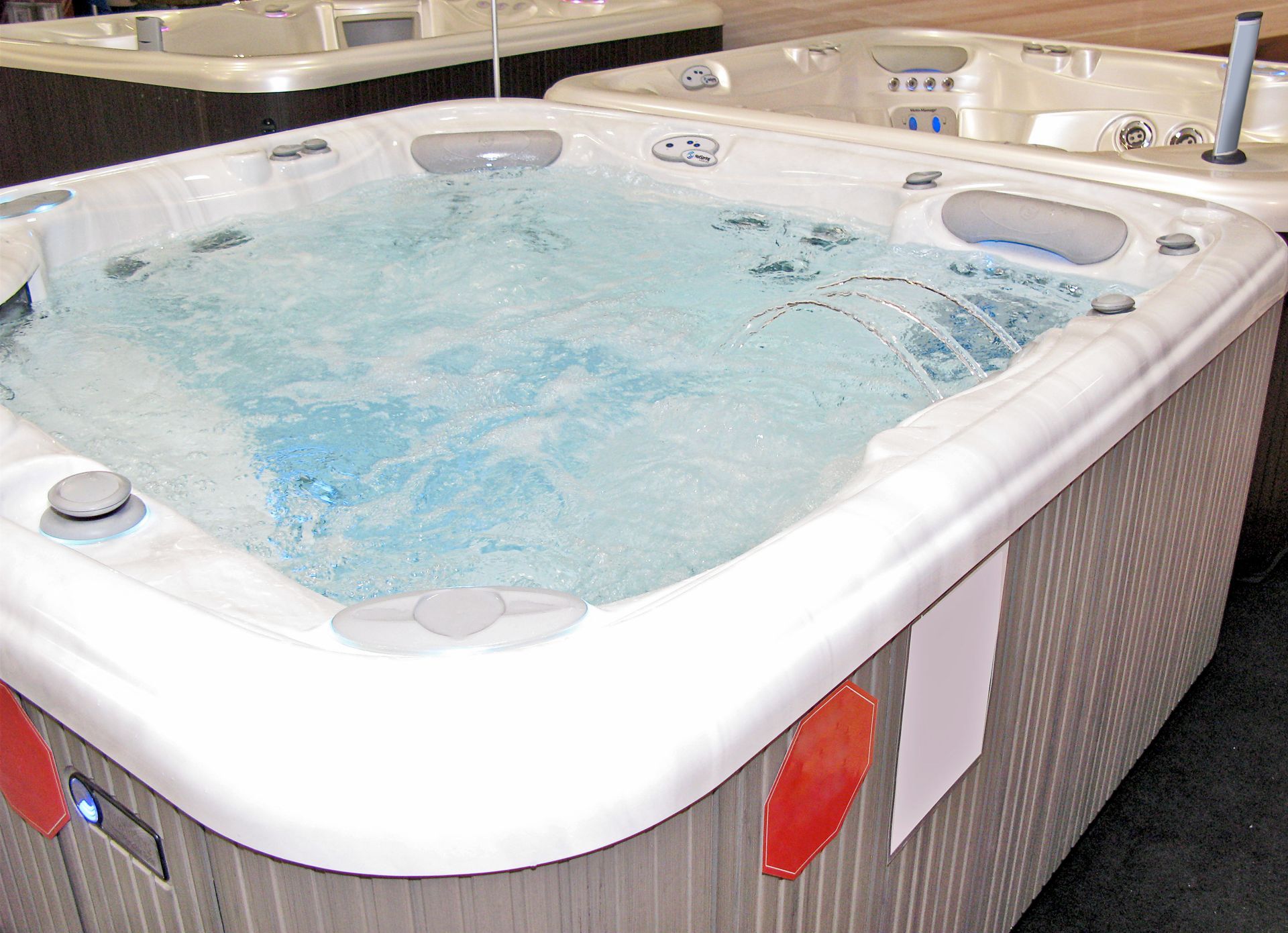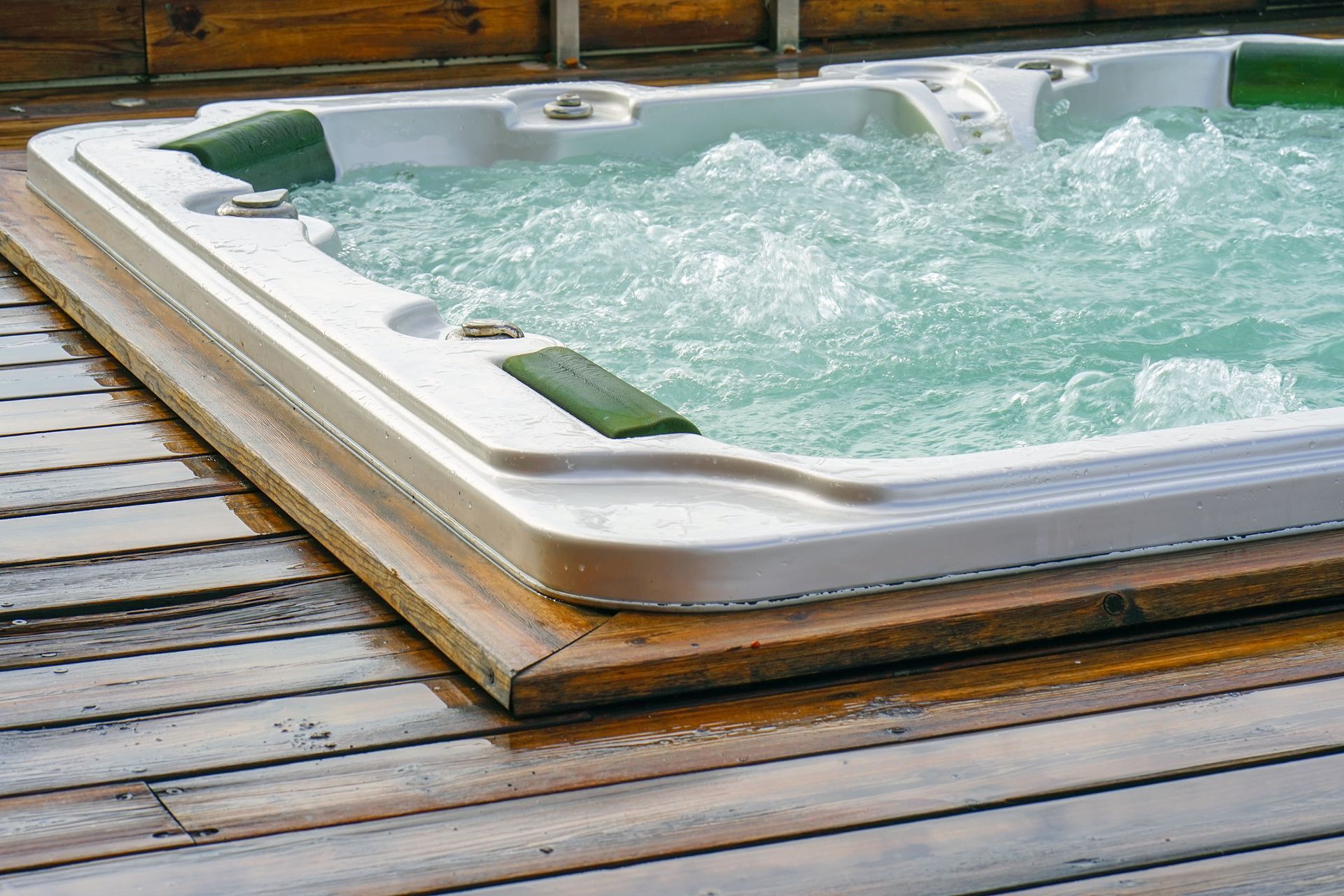
Choosing between a swim spa and a hot tub can be challenging because both offer water-based relaxation in a compact backyard setting. However, the two options are designed for different purposes and can provide very different experiences. A hot tub is generally centered on warm-water relaxation, hydrotherapy features, and seated comfort, while a swim spa is designed to provide more room for movement and aquatic activity. The right choice depends on how you plan to use the space, how many people may use it, and which features matter most to your household. Swim spas can combine elements of a traditional spa with an area designed for swimming or water exercise. Hot tubs, on the other hand, are typically intended for soaking and relaxation rather than continuous movement. Understanding the major differences can make it easier to choose an option that fits your lifestyle, available space, and long-term goals.
Comparing Space for Movement
The amount of available space is one of the clearest differences between these two types of water features. A traditional hot tub is generally designed around seating, allowing users to sit comfortably while soaking in warm water. A swim spa usually includes a longer section that provides room for swimming, water walking, or other forms of aquatic movement. Some designs use a current that allows a person to swim in place rather than requiring the length of a traditional swimming pool. This difference can make a swim spa appealing to households that want both relaxation and opportunities for exercise. The additional space may also allow users to perform stretches or other low-impact movements in the water. Hot tubs generally require less room because their primary purpose is soaking rather than swimming. Homeowners should consider how they expect to use the water feature before deciding which size and design better fits their property.
Comparing Exercise and Relaxation
Exercise is one area where the two options differ significantly. A hot tub is primarily intended for relaxation and seated enjoyment, although users may perform limited movements while inside. Swim spas are designed to provide more room for activities such as swimming, resistance exercise, water walking, and stretching. According to a 2025 randomized controlled trial published in Scientific Reports, 34 participants with chronic low back pain took part in a supervised aquatic exercise program that lasted 10 weeks, with sessions held twice each week to examine changes in back muscle function and related outcomes. The study focused on aquatic exercise rather than swim spa ownership, but it demonstrates why water-based exercise environments can be useful for structured movement. The buoyancy of water can support the body while resistance from the water adds a different challenge to movement. For homeowners interested in combining relaxation with more active water use, swim spas may offer greater versatility.
Comparing Seating and Comfort
Hot tubs are generally designed with seating as a central feature. Different seats may vary in depth, shape, and position to accommodate multiple users. Jets can be placed around seating areas to create a relaxing water experience. A swim spa may also include seating, but a larger portion of the design is typically dedicated to open water and movement. Some models combine separate areas for swimming and soaking, while others integrate both functions into one unit. The preferred option often depends on whether relaxation or active use will be the primary purpose. Households that expect to spend most of their time sitting and soaking may find a traditional hot tub more closely aligned with their needs. Those who want flexibility may prefer a design that provides both a comfortable seating area and additional room for movement.
Comparing Installation Requirements
Both options require careful planning before installation. Homeowners may need to consider available space, access to the installation area, electrical requirements, the condition of the supporting surface, and local requirements. Because a swim spa is generally larger and contains more water, its installation may require additional planning compared with a smaller hot tub. The property layout can influence whether the unit is placed above ground, partially recessed, or incorporated into a larger outdoor design. Access for delivery is another important consideration because the equipment must be transported safely to the installation location. Homeowners should also think about future maintenance access before finalizing the placement. Proper planning can help prevent the new feature from creating unnecessary challenges later. Discussing the installation site with experienced professionals can help determine which option is practical for the available space.
Comparing Everyday Versatility
Different households may have very different ideas about how they want to use an outdoor water feature. A hot tub can provide a dedicated space for relaxing after work, spending time with family, or enjoying a quiet evening outdoors. A larger unit can support a wider range of activities because it may offer space for both relaxation and movement. Swim spas can be used by individuals who want an area for water exercise without installing a full-sized swimming pool. Families may also appreciate having an option that accommodates different interests among household members. One person may want to exercise while another prefers to sit and relax in the water. The ability to use one installation for multiple purposes can be an important consideration when outdoor space is limited. Thinking about how often and in what ways the unit will be used can help homeowners determine which option provides the greatest value for their lifestyle.
Comparing Energy and Maintenance Needs
Every water feature requires ongoing care to help maintain appropriate water quality and reliable equipment performance. The specific maintenance requirements can vary based on the size of the unit, water volume, filtration system, usage, and equipment design. Because they typically hold less water, hot tubs may require less time to fill and may involve a smaller volume of water to manage. A larger swim spa can require additional attention simply because there is more water and a larger system to maintain. However, modern equipment and filtration features can influence the overall maintenance routine. Homeowners should understand the recommended care procedures before selecting either option. Regular testing, cleaning, and equipment inspections can help keep the water feature ready for use. Considering the long-term maintenance responsibilities is just as important as comparing the initial installation.
Comparing Backyard Space
Available outdoor space can have a major influence on the decision between the two options. A compact backyard may be better suited to a hot tub that provides relaxation without occupying a large portion of the property. Larger yards may offer more flexibility for homeowners who want to install a longer water feature. Swim spas can provide an alternative for people who want a swimming area but do not have the space or desire for a traditional in-ground pool. The surrounding area should also be considered because users may want room for seating, walking paths, privacy features, or landscaping. Placement should allow convenient access from the home while avoiding unnecessary obstacles. The visual impact of the installation can also be incorporated into the overall backyard design. Measuring the available area and considering the complete outdoor layout can help homeowners choose a size that feels appropriate rather than overwhelming.
Comparing Family Use
The number of people expected to use the water feature can also influence the decision. A hot tub may be ideal for smaller groups who want to sit and socialize in warm water. Larger households may appreciate additional space when multiple people want to use the unit at the same time. Swim spas can provide room for a wider variety of activities, although the exact capacity depends on the specific model and design. Families should think about whether children, adults, or multiple generations will regularly use the installation. Safety considerations should also be part of the planning process, particularly when children are present. Establishing clear rules and providing appropriate supervision are important regardless of which type of unit is selected. Choosing a design based on realistic household use can help ensure that the investment continues to meet the family's needs.
Ready to find the right addition for your backyard? Contact Swim King Hot Tubs today to explore swim spas and hot tubs that can bring relaxation, activity, and year-round enjoyment to your home.