By Paul Orlando
September 28, 2026
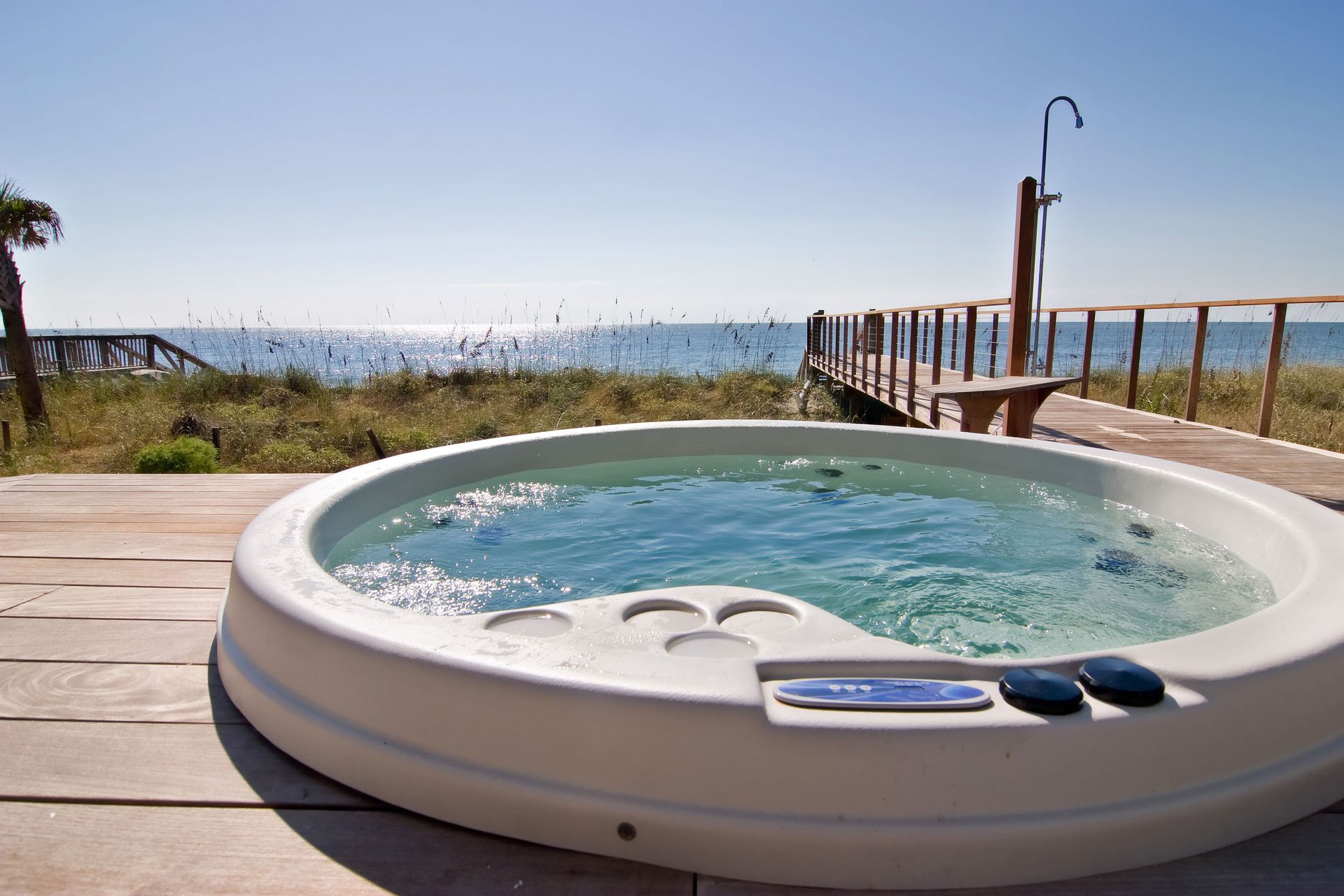
A hot tub can turn an ordinary backyard into a comfortable space for relaxation, recovery, and quality time with family. For first-time buyers, however, the cost of purchasing and maintaining a spa can make ownership seem out of reach. Understanding the expenses involved and choosing a model that fits your needs can make the process much more manageable.
The key to finding an affordable hot tub is not simply choosing the lowest-priced model. Instead, consider the size, features, installation requirements, maintenance needs, and expected frequency of use. Taking these factors into account can help you select a spa that provides lasting value without unnecessary expenses.
Planning for the True Cost of Ownership
Evaluate the Initial Purchase
The price of the hot tub itself is naturally one of the first considerations for a new buyer. Models can vary significantly based on their size, seating capacity, construction, jet configurations, and additional features. While it may be tempting to choose a larger model with every available option, a simpler spa may be a better fit if you primarily want a place to relax or recover after physical activity.
Consider who will regularly use the hot tub and how you expect to spend time in it. A couple may not need the same capacity as a household that frequently hosts guests. Choosing a size that accommodates your typical use can help control the initial purchase price while still providing plenty of room for comfortable sessions.
When comparing an affordable hot tub, also look beyond the advertised purchase price. Ask about delivery, site preparation, electrical requirements, and other expenses that may be necessary before the spa can be used. Understanding the complete initial investment gives you a more realistic idea of what fits within your budget.
Account for Installation Requirements
Where you place your hot tub can influence the overall cost of ownership. The spa needs a stable, level surface capable of supporting its weight when filled with water and occupied. Depending on the property, you may need to prepare a patio, deck, concrete pad, or other suitable area before installation.
Accessibility is another important consideration. The delivery team needs a practical route for getting the hot tub into position, and the location should leave enough room for routine maintenance. You should also consider proximity to the home's electrical supply and whether the installation needs to meet specific local requirements.
Planning these details before setting out to buy an affordable hot tub can prevent unexpected expenses. It also gives you an opportunity to select a location that makes the hot tub convenient to use, clean, and maintain.
Selecting a Spa That Fits Your Needs
Choose the Right Size
Size has a direct effect on both the purchase and operating costs of a hot tub. Larger models require more water and can require more energy to heat. They also occupy more space and may require a larger foundation or more extensive site preparation.
Before selecting a model, think about how many people will normally use it. If the spa will primarily be used by one or two people, purchasing a model designed for a much larger group may provide capacity you rarely need. On the other hand, households that regularly use their hot tub together may benefit from additional seating.
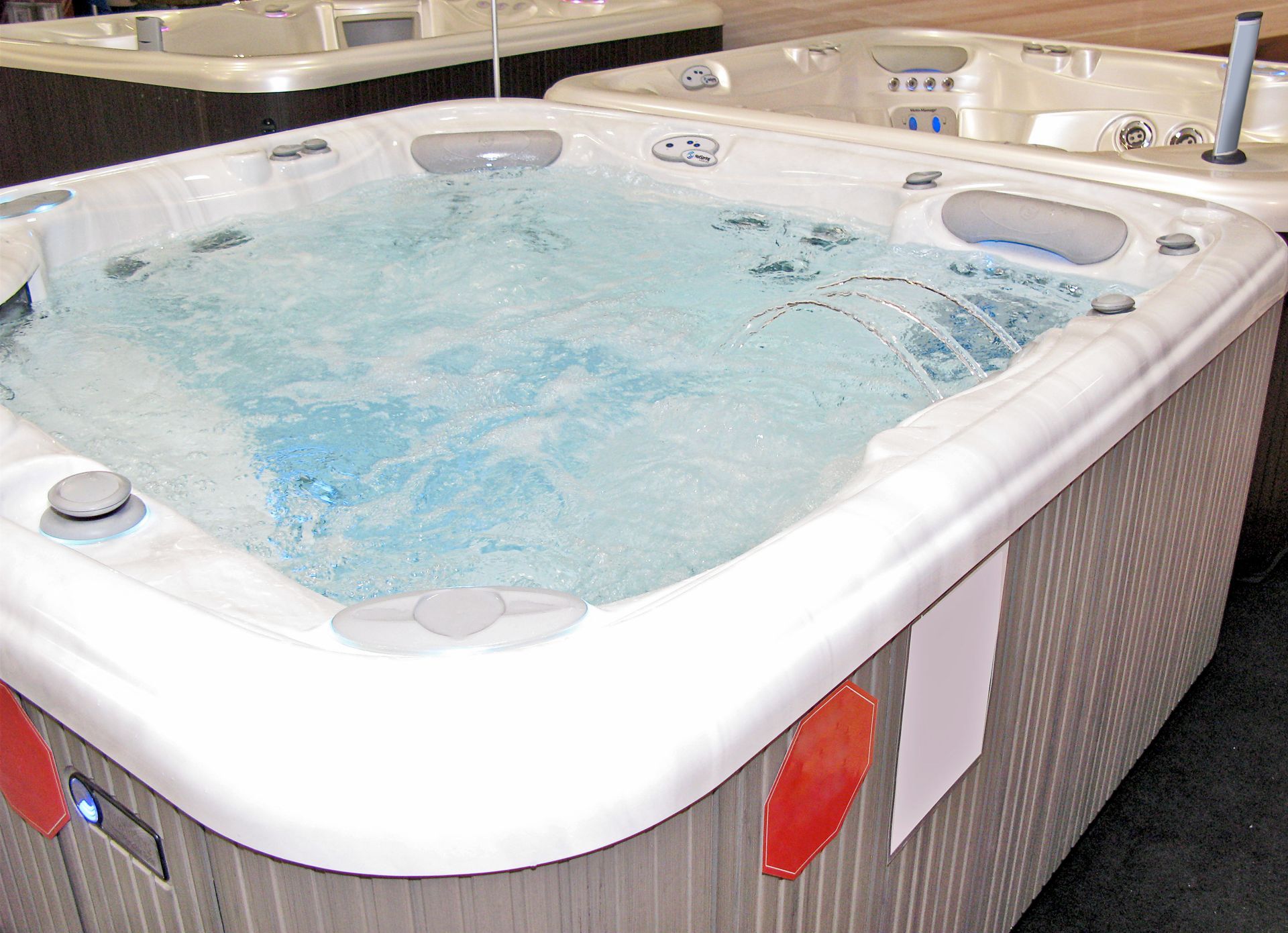
The goal is to find an affordable hot tub that provides enough space without paying for unnecessary capacity. Visiting a showroom and trying different seating configurations can also help you determine which size and layout feel most comfortable.
Focus on Features You Will Use
Hot tubs can include a wide range of features, but not every option is essential for every homeowner. Before comparing models, identify what you want most from your spa. You may prioritize comfortable seating and massage jets if relaxation and muscle recovery are your main goals, while other buyers may place greater importance on additional seating or specific hydrotherapy features.
Creating a clear list of priorities can help keep the purchasing process focused. It is easy for a budget to grow when you begin adding features simply because they are available. Choosing options that directly support how you plan to use the spa can provide better value.
Quality should also remain part of the equation. A low initial price may not be worthwhile if the model does not provide the comfort, durability, or functionality you expect. Comparing construction, maintenance requirements, and overall usability can help you identify a practical choice.
Consider How You Will Use the Spa
Think about when and why you are most likely to use your hot tub. Some owners enjoy short evening sessions to unwind after work, while others use their spas after exercise or as a place to spend time with family. Your intended routine can help determine which model and placement make the most sense.
If you expect to use the spa frequently, comfort and convenience may be more important than having the lowest possible purchase price. If you anticipate occasional use, a smaller or simpler model may provide everything you need.
According to ConsumerAffairs, approximately seven million hot tubs are owned throughout the United States, demonstrating how many households have incorporated this type of outdoor relaxation into their homes. The best choice for an individual household, however, depends on its space, budget, and intended use.
Keeping Hot Tub Ownership Affordable
Establish a Consistent Maintenance Routine
Routine maintenance is one of the simplest ways to manage ongoing hot tub expenses. Water chemistry should be checked regularly, filters should be cleaned as recommended, and the spa should be cleaned and drained according to the manufacturer's guidelines.
Consistent care can help prevent avoidable problems and keep the water comfortable for regular use. It can also make maintenance less time-consuming because small tasks are handled before they become larger concerns.
New owners should take time to learn the basic care requirements for their specific model. Following the recommended procedures for water treatment, filtration, cleaning, and equipment care can make ownership easier and help protect your affordable hot tub.
Manage Energy and Water Use
Heating the water is an important part of operating a hot tub, so energy use should be considered when planning your budget. Factors such as the spa's insulation, water temperature, climate, frequency of use, and condition of the cover can all influence how much energy is required.
Using a properly fitted cover when the spa is not in use can help retain heat and reduce unnecessary exposure to the outdoor environment. Keeping the water at an appropriate temperature rather than constantly adjusting it can also make regular use more predictable.
Water care matters as well. Maintaining proper chemical levels and keeping filters clean can help extend the useful life of the water between changes. Your specific maintenance schedule should always follow the manufacturer's recommendations.
Buying a hot tub is a significant decision, but affordability does not require sacrificing comfort or enjoyment. Careful planning can help you avoid paying for unnecessary capacity or features while ensuring that your spa meets the needs of your household.
Start by considering your available space, typical number of users, preferred features, and expected maintenance routine. Then account for installation and ongoing operating costs so you have a complete understanding of the investment. These steps can make it easier to compare models and choose an affordable hot tub that works for your circumstances.
With the right planning and consistent care, a hot tub can become a practical addition to an outdoor living space. Rather than treating ownership as an occasional luxury, you can create a comfortable backyard retreat that supports relaxation, recovery, and quality time at home.
Find an affordable hot tub that fits your backyard, lifestyle, and budget by visiting our showroom at Swim King Hot Tubs today!